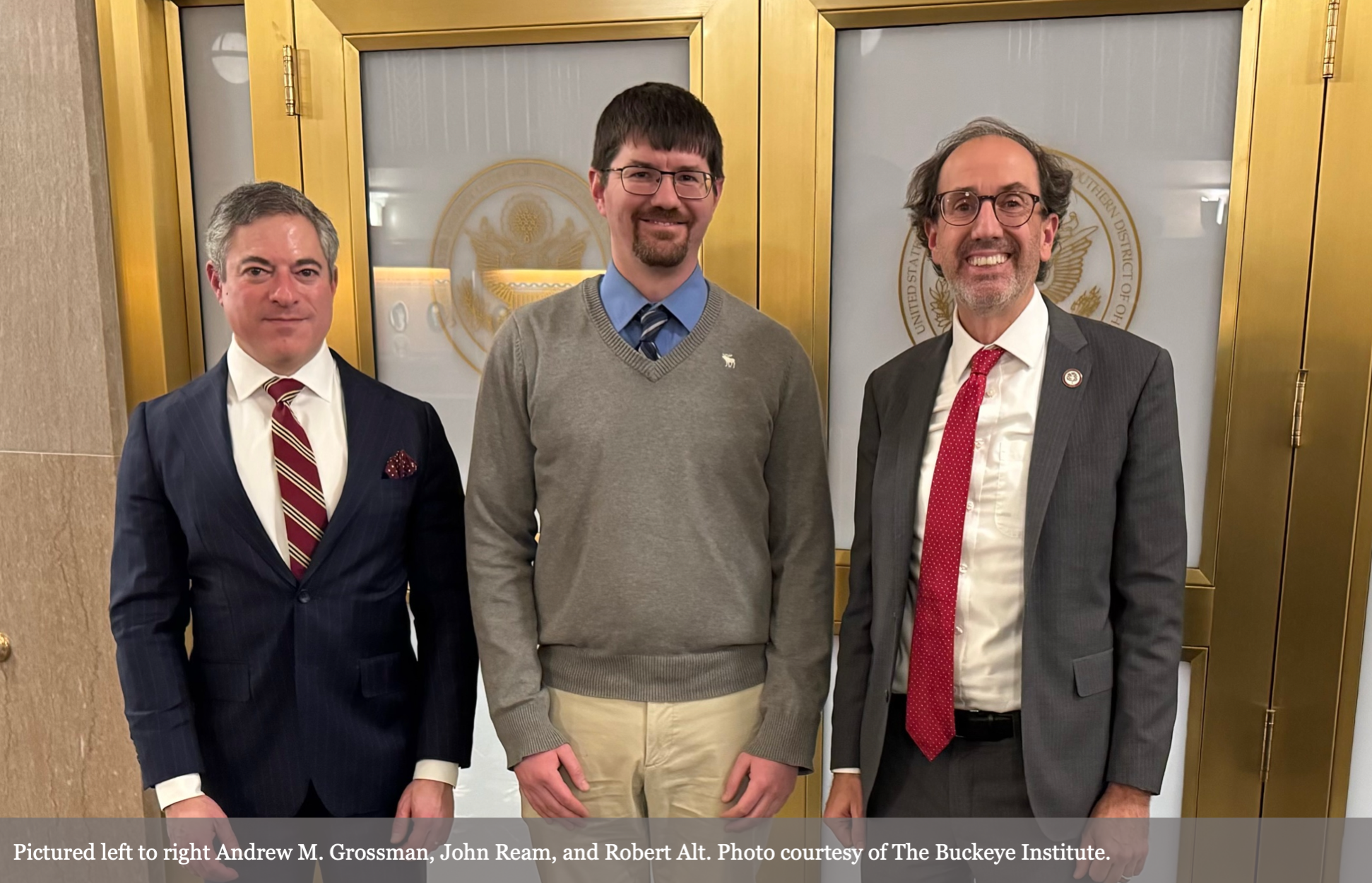
The Columbus Dispatch reported on Dec. 11 that an Ohio brewer is appealing to a federal court so he can make whiskey as the result of a home distilling lawsuit. John Ream, the owner of Trek Brewing Company, argued with the U.S. 6th District Court of Appeals that the government’s ban on home distilling is unconstitutional.
Ream’s legal team claims that the law violates the 10th Amendment to the Constitution and is an overreach of Congress’s authority. The government did not answer the court’s request to discuss the merits of the home distilling lawsuit.
“The government failed to answer the court’s reasonable request to address the merits of this case, which is telling,” said Senior Legal Fellow Andrew M. Grossman, according to a news release.
Grossman claimed that the oral argument was “a bit heated” at times, but he explained that it was due to the high-stakes nature of the situation.
“The constitutional rights of all Americans are before the court,” Grossman explained.
The brewer claims he wants to distill rye and bourbon, specifically, and has no intention of selling the spirits. He only intends to distill them for educational purposes. Yet, the federal government threatened Ream with years in federal prison and fines totaling thousands of dollars.
A Change on the Horizon for Home Distillers?
Inside Hook reported in February that a federal judge ruled the 156-year-old prohibition on home distilling was unconstitutional. The case is currently in the court of appeals. Some states, like West Virginia, currently allow for small amounts of home distilling.
Texas introduced a bill to allow home distillers to make approximately 200 gallons of wine, liquor, or malt beverages a year for personal consumption. Though such a piece of legislation would allow amateur distillers the ability to hone their craft, it also could have its drawbacks.
Inside Hook reports that if home distillers can make liquor without any sort of bureaucratic hoops to jump through, it could be dangerous. Fires, electrocution, and methanol poisoning are the principal concerns, and it could also endanger other tenants in multi-unit dwellings.
In Ohio, Republican senators announced Senate Bill 13, according to The Columbus Dispatch. The legislation was designed to allow an individual residing in the state to distill alcohol without a permit for personal consumption. The outlet reported that the proposal did not make it past the Senate committee.
No responses yet